You’re finally doing it-planning your first multi-day hike. The excitement is real, but so is the confusion when you start looking at outdoor hiking supplies.
One website tells you to drop $2,000 on gear, another says $500 is enough, and your hiking buddy swears by their $50 setup from a thrift store.
Here’s the truth: you don’t need to empty your bank account, but you also can’t skip certain essentials.
Let’s break down what actually matters and what you can leave on the shelf.
What Should You Budget for Your First Trek?
Most beginners should plan to spend between $300 and $500 on core gear for a first multi-day hike. This covers the absolute necessities that keep you safe, dry, and reasonably comfortable on the trail.
If you already own some camping equipment or can borrow items from friends, you might cut this down to $200-300. On the other hand, if you’re starting from scratch and want better quality items that’ll last beyond one trip, expect to push closer to $700-800.
The key is knowing where to invest and where to save. A $200 tent might seem excessive until you’re stuck in a rainstorm with a leaking $40 one.
The Three-Tier Spending Breakdown
Think of your gear in three categories: must-have, should-have, and nice-to-have. This simple framework helps you prioritize when money gets tight.
Must-Have Gear (Don’t Compromise Here)
These items directly affect your safety and survival. Skimp on these, and you’re asking for trouble.
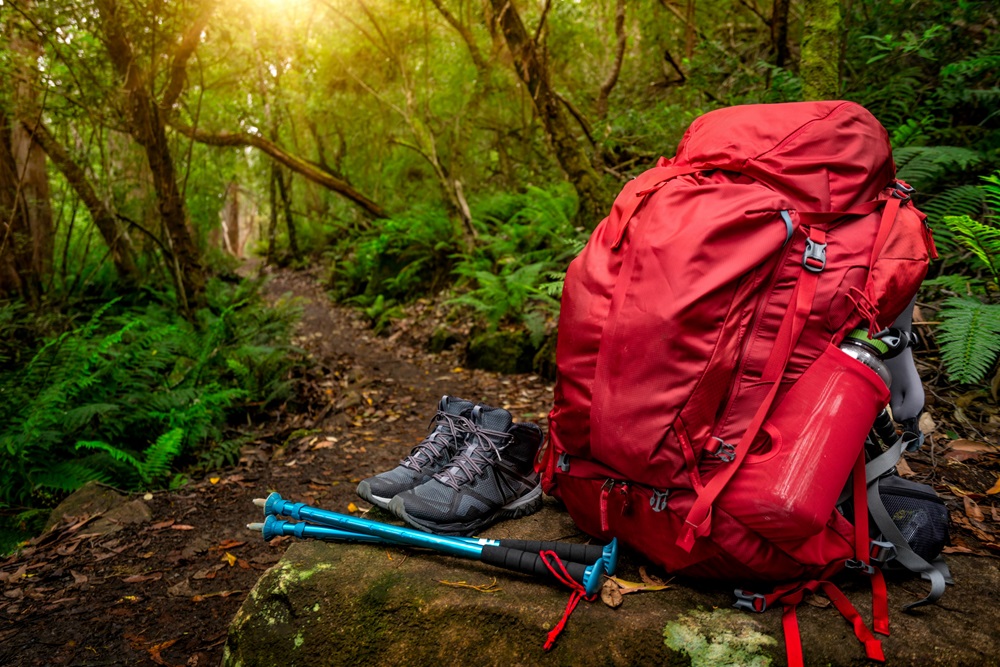
Your backpack is your home on the trail. You need one that fits properly and can handle 40-60 liters of capacity for multi-day trips. Expect to spend $100-180 here. A poorly fitting pack will destroy your shoulders and back after just a few miles.
A quality sleeping bag rated for the temperatures you’ll face runs $80-150. Check the expected nighttime lows for your hiking dates and get a bag rated at least 10 degrees lower. You can always unzip if you’re warm, but there’s no fix for being cold at 2 AM.
Your shelter matters tremendously. A decent two-person tent (even if you’re solo) costs $120-200. The extra space is worth it for your gear. Look for something that weighs under five pounds and has good waterproof ratings above 2,000mm.
| Essential Item | Budget Range | Why It Matters |
| Backpack (40-60L) | $100-180 | Proper fit prevents injury |
| Sleeping Bag | $80-150 | Temperature-rated for safety |
| Tent | $120-200 | Weather protection |
| Hiking Boots | $80-140 | Ankle support, blisters prevention |
| Water Filter/Purifier | $25-45 | Safe drinking water |
Don’t forget proper hiking boots. Your feet will carry you dozens of miles, so invest $80-140 in boots you’ve broken in before your trip. Trail runners work for some people, but boots offer better ankle support for beginners carrying heavy packs.
A water filtration system is non-negotiable unless you want to carry all your water (which gets heavy fast). Simple squeeze filters work great and cost $25-45.
What Can You Actually Skip?
Here’s where beginners waste money. You don’t need trekking poles for your first trip unless you have knee issues. You can use a stick you find on the trail.
Fancy GPS devices are overkill when your phone with downloaded offline maps works fine. Save that $300-400 for later.
Camp chairs sound nice but add two pounds of weight you don’t need. You’ll sit on logs or your sleeping pad.
Those expensive moisture-wicking shirts? A regular synthetic athletic shirt from your closet does the same job. Don’t buy specialty “hiking clothes” when you already own workout gear that works.
Should You Buy Used or Rent?
Renting makes sense if you’re unsure about committing to hiking long-term. Many outdoor stores rent tents, sleeping bags, and backpacks for $20-40 per item for a weekend. For one trip, renting your “big three” items saves you $250-400.
Used gear is hit or miss. Backpacks and tents from online marketplaces can be great deals if they’re gently used. But sleeping bags lose insulation over time, and used boots rarely fit well. Skip secondhand items that affect safety or fit.
Facebook groups and outdoor forums often have gear swaps where experienced hikers sell quality equipment they’ve upgraded from. You can score deals that are 40-50% off retail prices.
Where Most Beginners Overspend?
The biggest mistake is buying top-tier gear when mid-range works fine. That $400 ultralight tent weighs one pound less than the $180 version, but for a beginner doing two or three trips per year, the weight difference won’t matter much.
Another trap is buying one of everything you see on gear lists. You don’t need five different stuff sacks, a special pillowcase, or a $60 camping towel. A bandana works as a towel, and your clothes stuff sack doubles as a pillow.
Many beginners also buy clothing for every weather possibility. Pack layers you already own and check the forecast. You probably don’t need both a fleece and a down jacket for a summer trip.
The Smart First-Timer’s Shopping List
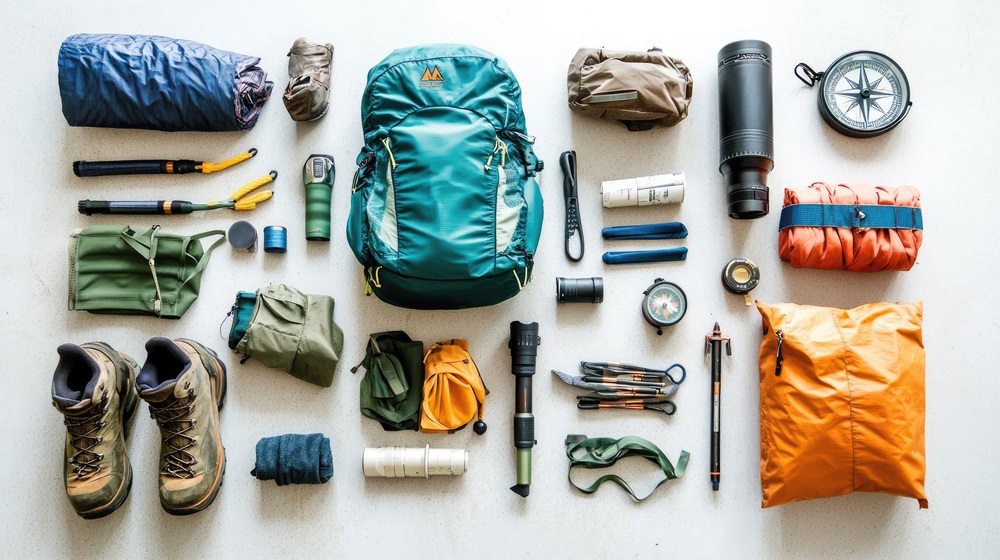
Focus your budget on the big three: backpack, sleeping system, and shelter. These three items make or break your experience. Spend 60-70% of your budget here.
Allocate the remaining 30-40% across everything else-water treatment, food storage, first aid, navigation tools, and clothing gaps. You likely already own enough clothes to start with outdoor hiking supplies that work perfectly fine.
Set aside $50 for unexpected needs. You’ll discover you forgot something or need to replace an item that doesn’t work for you. Having that buffer prevents panic buying expensive solutions on the road.
What About Long-Term Value?
If you plan to hike regularly, spending slightly more upfront saves money over time.
A $180 tent that lasts 50 trips costs $3.60 per use. A $70 tent that fails after 10 trips costs $7 per use.
Quality boots, a good pack, and a reliable sleeping bag can serve you for years. These are worth the investment.
Smaller items like stuff sacks, water bottles, and cooking gear can start cheap and upgrade later as you figure out your preferences.
Frequently Asked Questions
How much should I budget for outdoor hiking supplies?
Ans: Most beginners spend $300–$500 on core gear; $700–$800 for higher quality, long-lasting equipment for regular hiking use.
What are the most important outdoor hiking supplies to buy first?
Ans: Backpack, sleeping bag, tent, hiking boots, and water filter are essential for safety, comfort, and survival on multi-day hikes.
What outdoor hiking supplies can I skip as a beginner?
Ans: Skip trekking poles, GPS devices, camp chairs, and specialty clothing; use trail sticks, phones, and regular athletic wear instead.
Is it better to buy or rent outdoor hiking supplies?
Ans: Rent for first trips; renting tents, backpacks, and sleeping bags costs $20–40 per item and saves money.
Should I buy used outdoor hiking supplies?
Ans: Used backpacks and tents can be good; avoid used sleeping bags and boots due to insulation wear and poor fit.
About the Author