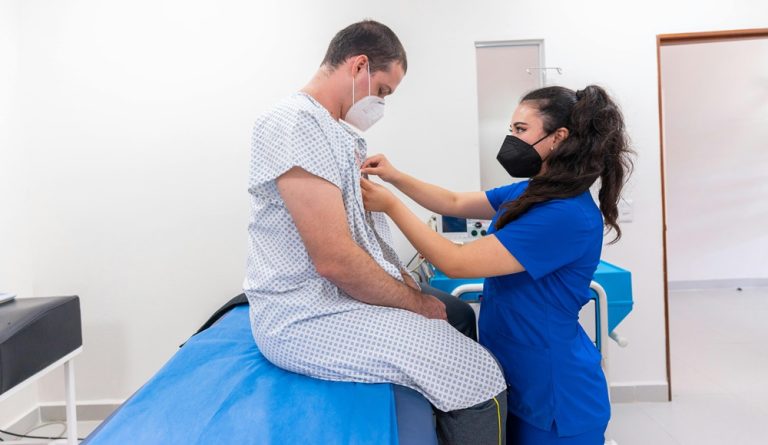

You spend long shifts in scrubs, so why not make them work for you? The right accessories can turn cute scrub uniforms into functional workwear that keeps you comfortable and compliant.
But here’s the catch: not everything cute is safe for clinical settings. You need to know which accessories help and which ones could put you or your patients at risk.
What Makes an Accessory Safe for Healthcare Settings?
Safety protocols exist for good reasons. In healthcare environments, you’re exposed to bodily fluids, infectious materials, and equipment that can catch loose items.
According to the Centers for Disease Control and Prevention, proper work attire reduces contamination risks by up to 60%.
Your accessories need to meet three basic criteria: they can’t harbor bacteria, they shouldn’t interfere with patient care, and they must comply with your facility’s dress code.
Most hospitals ban dangling jewelry, loose scarves, and open-toed shoes because these items create infection risks or safety hazards.
The good news? You have plenty of compliant options that still let you express yourself.
How Do You Choose the Right Badge and ID Holder?
Your badge identifies you to patients and staff, but how you wear it matters. Lanyards seem convenient, but they’re actually dangerous. A 2019 study in the Journal of Hospital Infection found that 50% of lanyards tested positive for harmful bacteria, including MRSA.
Retractable badge reels solve this problem. They clip to your scrub pocket or waistband and keep your ID secure without swinging near patients or contaminated surfaces. Look for antimicrobial badge reels made with materials that resist bacterial growth.
You can also use badge clips that attach directly to your scrub top. These stay in place during patient transfers and won’t get in your way when you lean over beds or equipment.
Some facilities require specific badge placement, so check your employee handbook before buying.
Here’s what to avoid: decorative lanyards with beads, chains that hang below your waist, and anything with fabric that can’t be easily cleaned.
What Shoes Actually Meet Safety Standards?
Your shoes do more work than you realize. During a 12-hour shift, you walk between five and seven miles on average. That’s why the American Podiatric Medical Association recommends closed-toe, slip-resistant footwear for healthcare workers.
Slip-resistant shoes aren’t just about avoiding falls. They protect you from needle sticks, dropped instruments, and spilled fluids. The slip-resistance rating matters too. Look for shoes with a coefficient of friction of at least 0.5 on wet surfaces.
Your shoes should have these features:
| Feature | Why It Matters |
| Closed toe and heel | Protects from spills and sharps |
| Non-porous material | Prevents fluid absorption |
| Easy-to-clean surface | Reduces contamination |
| Arch support | Prevents foot fatigue |
Leather, synthetic leather, and treated canvas work well. Skip the mesh sneakers, canvas shoes with fabric uppers, and anything with decorative holes or openings.
You can find slip-resistant shoes in fun colors and patterns that still meet safety requirements.
Do Compression Socks Really Help?
Yes, and they’re one accessory you should seriously consider. Research published in the International Journal of Nursing Studies shows that compression socks reduce leg swelling by 30% and lower your risk of varicose veins during long shifts.
Compression socks work by applying graduated pressure to your lower legs. This pressure helps blood flow back to your heart instead of pooling in your feet and ankles. You’ll notice less fatigue, reduced cramping, and better circulation.
Choose compression socks with 15-20 mmHg pressure for everyday wear. If you have specific medical needs or stand for extremely long periods, talk to your doctor about higher compression levels.
Many compression sock brands now offer patterns, colors, and designs that match cute scrub uniforms without sacrificing function.
Can You Wear Watches and Fitness Trackers?
Watches create a gray area in healthcare settings. Traditional watches with bands trap moisture and bacteria underneath. A study from the University of Miami found that 25% of healthcare workers’ watches carried potential pathogens.
If your facility allows watches, choose ones with smooth, non-porous bands that you can clean between patients. Silicone bands work better than leather or fabric.
Some nurses prefer clip-on fob watches that attach to scrub pockets and stay out of the contamination zone entirely.
Fitness trackers face similar concerns, but many facilities now approve them if you clean them regularly with approved disinfectant wipes. Check your workplace policy before wearing any wrist device.
What About Hair Accessories and Small Jewelry?
You can wear hair accessories as long as they keep your hair completely away from your face and neck.
Hair that falls forward can touch patients or contaminated surfaces. Use hair ties, clips, or headbands that secure everything back.
Avoid decorative hairpins that could fall out, scrunchies that can’t be easily sanitized, and anything with dangling elements. Simple ponytail holders and plastic headbands work best.
For jewelry, most facilities allow small stud earrings and plain wedding bands. Rings with settings can harbor bacteria in the crevices, so smooth bands are safer.
You’ll need to remove rings for proper handwashing anyway, which healthcare workers do 50-100 times per shift.

How Do You Keep Accessories Clean?
Cleaning your accessories is as important as wearing compliant ones. Your badge reel, shoes, and compression socks touch contaminated surfaces throughout your shift.
At minimum, wipe down your badge holder and shoes with hospital-approved disinfectant at the end of each day.
Wash compression socks after every shift in hot water. Replace them every three to six months as they lose elasticity. Clean your shoes weekly with appropriate cleaners for the material.
The accessories you choose say something about your style while keeping you and your patients safe.
Stick with items you can easily clean, that won’t interfere with patient care, and that meet your facility’s specific requirements.When you find cute scrub uniforms and pair them with smart accessories, you’ll look professional and feel comfortable through every shift.
About the Author