Your child has been seeing a pediatric dentist since their first tooth appeared. But now they’re getting older, and you’re wondering if it’s time for a change.
The transition from a pediatric specialist to a family dentist isn’t something most parents think about until they’re suddenly faced with it.
If you’re searching for a kid friendly general dentist saskatoon or elsewhere, you’re probably at that crossroads right now. Here’s what you actually need to know about making this switch.
What’s the Real Difference Between These Dentists?
Pediatric dentists complete two to three extra years of specialized training after dental school. They focus exclusively on children from infancy through adolescence.
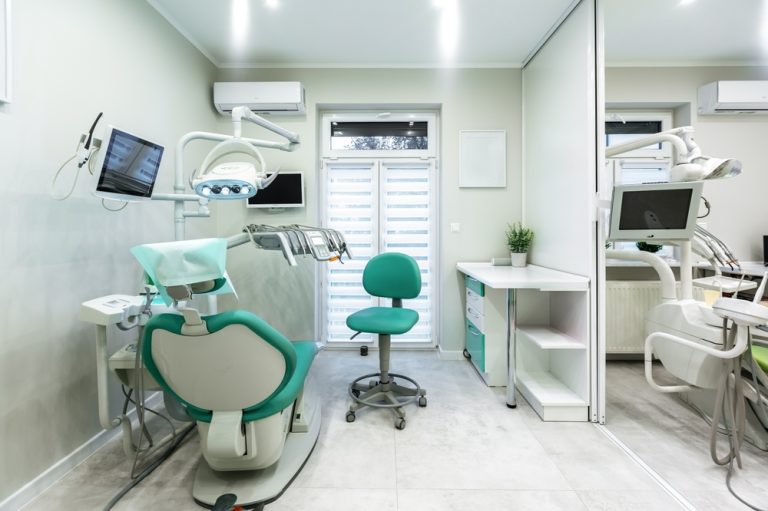
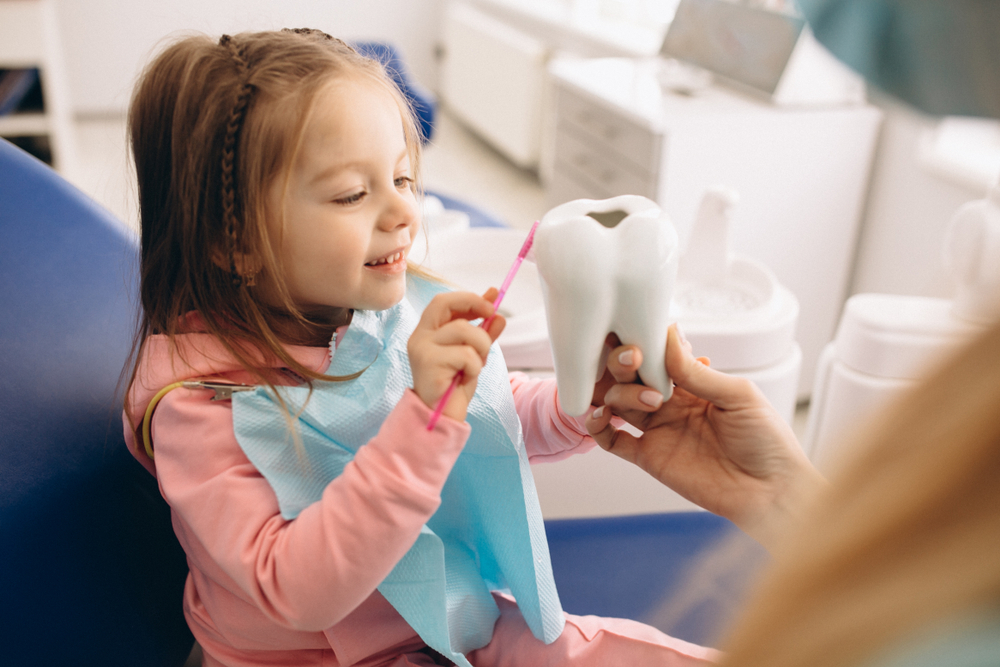
Their offices look different—bright colors, toys, kid-sized chairs. They’re trained to handle anxious kids and children with special needs.
Family dentists treat patients of all ages. They see toddlers, teenagers, adults, and seniors.
One dentist can handle your entire family’s dental needs. Their training covers a broader range but doesn’t go as deep into child-specific issues.
Both are fully qualified to treat your child. The question isn’t about competence—it’s about what fits your family’s needs at different stages.
At What Age Do Most Kids Make the Switch?
There’s no magic number, but most transitions happen between ages 13 and 18. The American Academy of Pediatric Dentistry says pediatric dentists can treat patients through age 21 if needed. But many families switch earlier.
Around age 13, kids often feel too old for the pediatric office environment. They don’t want cartoon characters on the walls anymore. They want to be treated more like adults. This psychological shift matters more than you might think.
Some families make the switch as early as age 10 or 11, especially if older siblings already see a family dentist. Others wait until the child finishes high school. Both approaches work fine.
How Does Your Child’s Dental History Factor In?
Kids with complicated dental histories might benefit from staying with a pediatric specialist longer.
If your child has had extensive orthodontic work, multiple cavities, or dental anxiety, the familiar environment and specialized approach can be valuable.
Children with special needs often stay with pediatric dentists well into their teens or even adulthood.
These dentists have specific training in treating patients with developmental disabilities, autism, or medical conditions that affect dental care.
On the other hand, if your child has had straightforward dental care with no major issues, they’re probably ready to transition earlier.
A healthy 12-year-old with no cavities and good oral hygiene habits can easily adapt to a family dentist.
What Practical Factors Should You Consider?
Convenience plays a bigger role than most parents admit. If you’re already taking your child to one dentist and yourself to another, consolidating makes sense. Fewer appointments to schedule, one office to deal with, one set of insurance paperwork.
Your insurance coverage matters too. Some dental plans cover pediatric specialists only up to a certain age—usually around 12 or 13. After that, you might pay more to continue with the pediatric dentist. Check your policy details before making assumptions.
Location becomes important as kids get older and more independent. A 16-year-old might need to get to appointments on their own eventually. Having a dentist near home or school makes this easier.
The table below shows typical transition ages based on different factors:
| Factor | Earlier Transition (Ages 10-12) | Later Transition (Ages 16-18) |
| Dental Health | No major issues, good oral hygiene | History of cavities, ongoing treatment |
| Maturity Level | Comfortable in adult settings | Still anxious about dental visits |
| Special Needs | None | Developmental or medical conditions |
| Family Situation | Siblings already with family dentist | First child or unique needs |
| Insurance | Pediatric coverage ends early | Extended pediatric coverage available |
How Do You Know If Your Kid Is Ready?
Your child’s maturity level matters more than their age. Can they sit still for 30-45 minutes without needing distraction?
Do they understand and follow the dentist’s instructions? Are they responsible about brushing and flossing at home?
A mature 11-year-old might be ready while an immature 14-year-old might not be. You know your child better than anyone else. Trust your instincts about their readiness.
Ask your child how they feel about it. Some kids are eager to move on from the “baby dentist.” Others feel anxious about change. Their input should carry weight in this decision.
What About Finding a Kid Friendly General Dentist?
Not all family dentists are equally comfortable treating younger patients. When you’re looking for a kid friendly general dentist, you need to ask specific questions during your search.
How much of their practice involves children and teens? A dentist who sees mostly adults might not have the patience or approach that works well with kids. You want someone who regularly treats patients your child’s age.
What’s their approach to anxious patients? Even if your child isn’t particularly nervous, knowing the dentist has strategies for managing anxiety is reassuring.
Do they offer sedation options if needed? How do they explain procedures to younger patients?
Visit the office before committing. The environment should feel welcoming but age-appropriate.
You don’t need stuffed animals and cartoons, but it shouldn’t feel cold and clinical either. Check if the staff seems friendly toward the younger patients in the waiting room.
How Should You Handle the Actual Transition?
Make it gradual if possible. Schedule a consultation visit where your child just meets the new dentist without any procedures. This takes pressure off everyone and lets your child get comfortable with the new environment.
Time the switch strategically. Don’t make the transition right before a major procedure. Switch after a routine cleaning when everything is going well. This creates a positive first impression.
Keep your current pediatric dentist in the loop. They can transfer records and might have recommendations for family dentists who work well with transitioning patients.
Some pediatric practices even have partnerships with family dentists specifically for this purpose.
What If the First Try Doesn’t Work Out?
Sometimes the timing isn’t right or the dentist isn’t a good fit. That’s completely normal. You’re not locked into the first family dentist you try.
If your child is uncomfortable or the dentist’s approach doesn’t work for your family, it’s okay to keep looking. You might even decide to go back to the pediatric dentist for a while longer if your child wasn’t ready.
Some families do a hybrid approach during the transition period—keeping the pediatric dentist for complex issues while starting to see a family dentist for routine cleanings. This isn’t always practical, but it can ease the adjustment for anxious kids.
Does It Matter for Long-Term Dental Health?
The continuity of care matters more than who provides it. Whether your child sees a pediatric dentist until age 18 or switches to a family dentist at age 12, what’s important is consistent, quality dental care.
Regular checkups every six months remain crucial throughout the teenage years.
Teens actually have higher cavity rates than younger children due to diet changes, less parental supervision of brushing, and sometimes orthodontic appliances that make cleaning harder.
Building a good relationship with a dentist during the teen years sets the foundation for adult dental care.
Young adults who feel comfortable with their dentist are more likely to continue regular visits after they leave home.
What Do Other Parents Usually Do?
Most families make the switch somewhere between ages 12 and 16. There’s a natural transition point when kids get braces off or when they start high school. These life milestones often align with dental transitions too.
Families with multiple children often switch everyone at once for simplicity. If your 14-year-old is ready to transition, you might move your 11-year-old at the same time so everyone goes to the same dentist.
Some parents never had a pediatric dentist to begin with—they used a family dentist from the start. This works fine too, especially if the family dentist has good experience with young children.
The decision about switching from a pediatric dentist to a family dentist isn’t one-size-fits-all. Consider your child’s age, maturity, dental history, and comfort level. Factor in practical issues like insurance and convenience. And remember that whether you’re looking for a kid friendly general dentist now or waiting a few more years, what matters most is maintaining regular, quality dental care throughout your child’s development. The right time is when it feels right for your specific situation.
About the Author