

A chiropractor is a healthcare professional who focuses on evaluating and supporting conditions related to the musculoskeletal system, including the spine, joints, muscles, and movement patterns. Many people associate chiropractors primarily with spinal adjustments, but chiropractic care often involves a broader evaluation of posture, mobility, physical function, and lifestyle factors.
People commonly explore chiropractic care when experiencing concerns such as back discomfort, neck stiffness, limited mobility, posture-related issues, sports-related strain, or injuries affecting daily activities. Understanding what chiropractors do and how the evaluation process works can help individuals make more informed decisions about their healthcare options.
Key Takeaways
- Chiropractors evaluate the relationship between the spine, joints, muscles, and movement patterns.
- A chiropractic appointment typically begins with a consultation and physical assessment.
- Chiropractic adjustments are one technique used to support joint mobility and physical function.
- Chiropractors may consider posture, lifestyle habits, injuries, and movement patterns when developing care recommendations.
- Chiropractic care is often personalized based on an individual’s condition and goals.
What Does a Chiropractor Actually Do?
Chiropractors focus on assessing and supporting the body’s musculoskeletal system, particularly areas involving the spine and joints. Their work often involves understanding how movement, posture, injuries, and physical habits may contribute to discomfort or limitations.

A chiropractor does not simply focus on the location of pain. Instead, they often evaluate the factors that may influence how the body moves and functions.
For example, someone experiencing lower back discomfort may have contributing factors such as:
- Long periods of sitting.
- Repetitive physical activity.
- Previous injuries.
- Poor movement patterns.
- Changes in mobility.
By evaluating these factors, chiropractors can better understand the individual’s condition and recommend appropriate care approaches.
The American Chiropractic Association explains that chiropractic care focuses on the relationship between structure, particularly the spine, and function as it relates to the body’s ability to move and perform daily activities.
How Does a Chiropractor Evaluate a Patient?
A chiropractic evaluation usually begins with understanding the patient’s health history, current concerns, and goals.
The first stage often involves a detailed conversation about symptoms and lifestyle factors. A chiropractor may ask questions about:
- When symptoms started.
- Activities that increase or reduce discomfort.
- Previous injuries.
- Daily movement habits.
- Physical demands at work or during exercise.
This information helps create a clearer picture of possible factors affecting the patient’s condition.
What Happens During a Chiropractic Assessment?
After reviewing health history, a chiropractor may perform a physical assessment to better understand movement and function.
This may include evaluating:
Posture
Posture can influence how stress is distributed throughout the body. A chiropractor may observe standing posture, sitting habits, and movement patterns.
Range of Motion
Movement assessments help identify areas where flexibility, mobility, or joint function may be limited.
Muscle and Joint Function
A chiropractor may evaluate how different muscles and joints work together during movement.
Physical Symptoms
The assessment may focus on areas where a patient experiences discomfort, stiffness, or reduced function.
The goal is to understand the individual rather than simply address a symptom without considering contributing factors.
What Happens During a Chiropractic Adjustment?
A chiropractic adjustment is a technique where a trained chiropractor applies controlled force to a specific joint. Adjustments are commonly associated with the spine, although chiropractors may also work with other areas depending on the patient’s needs.
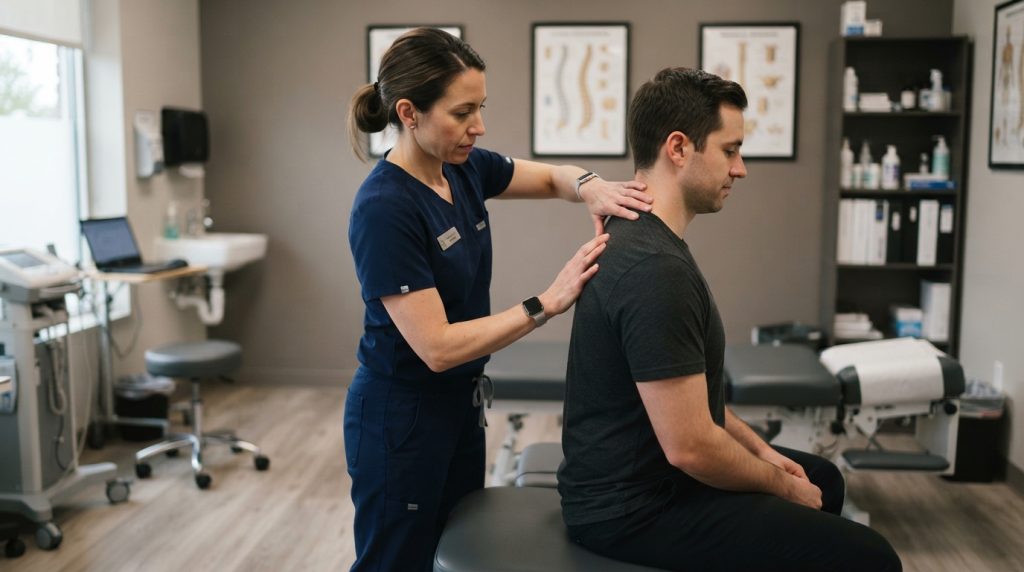
The purpose of an adjustment may include supporting:
- Joint movement.
- Mobility.
- Physical function.
- Musculoskeletal comfort.
The approach used can vary depending on factors such as:
- Age.
- Health history.
- Symptoms.
- Treatment goals.
- Patient preferences.
Not every person receives the same type of adjustment. A chiropractor typically considers evaluation findings before recommending any specific technique.
Why Do People Visit a Chiropractor?
People seek chiropractic care for different reasons, but many concerns involve movement, discomfort, or physical function.
Back Pain and Spine-Related Concerns
Back discomfort is one of the most common reasons people explore chiropractic services. Factors such as posture, physical activity, injuries, and daily habits may contribute to back-related concerns.
Individuals researching back pain treatment options may explore chiropractic care as one approach among several depending on their symptoms and goals.
Neck Pain and Posture Issues
Neck discomfort can develop from modern lifestyle factors such as extended computer use, smartphone use, repetitive movements, and poor posture habits.
A chiropractor may evaluate:
- Neck mobility.
- Upper body posture.
- Muscle tension.
- Movement patterns.
Understanding these contributing factors can help determine appropriate care strategies.
Sports and Activity-Related Injuries
Athletes and active individuals often place significant demands on their muscles, joints, and spine.
Some people explore chiropractic care to support:
- Movement quality.
- Flexibility.
- Recovery strategies.
- Physical performance.
A chiropractor may evaluate movement patterns to identify areas that could benefit from additional support.
What Treatments Do Chiropractors Provide?
While spinal adjustments are one of the most recognized chiropractic techniques, chiropractic care may include different approaches depending on individual needs.
Common approaches may include:
Manual Adjustments
Controlled techniques designed to influence joint movement and function.
Mobility Recommendations
Exercises and movement strategies may be suggested to support flexibility and physical function.
Lifestyle Guidance
Some chiropractors provide recommendations related to posture, ergonomics, exercise habits, and daily movement.
Supportive Therapies
Some practices incorporate additional approaches depending on their training, equipment, and patient needs.
Treatment recommendations are generally based on evaluation findings rather than a standard approach for every person.
What Should Someone Expect During Their First Chiropractic Visit?
Many people feel uncertain before their first appointment because they do not know what the process involves.
A typical first appointment may include:
- Discussion of symptoms and health history.
- Physical evaluation.
- Explanation of findings.
- Discussion of possible care approaches.
Understanding the process beforehand can help individuals feel more prepared.
People considering chiropractic care can review what happens during a first chiropractic visit to better understand consultations, evaluations, and treatment planning.
How Can Someone Choose the Right Chiropractor?
Choosing a chiropractor involves considering several factors beyond location.

Important considerations may include:
Qualifications and Experience
Individuals should look for properly trained and licensed professionals who can explain their evaluation process and treatment recommendations.
Communication
A good healthcare relationship requires clear explanations and an understanding of:
- Why certain approaches are recommended.
- What treatment goals involve.
- What patients can expect.
Personalized Care Approach
Different people have different needs. A chiropractor should consider the individual’s symptoms, health history, and goals when developing recommendations.
Individuals looking for a trusted Lake Nona chiropractor can review local provider information, services, and patient feedback before choosing care.
Is Chiropractic Care Supported by Research?
Research on chiropractic care has focused particularly on spinal manipulation and its role in certain musculoskeletal conditions.
The National Center for Complementary and Integrative Health reviews evidence related to complementary health approaches, including spinal manipulation, and provides information about potential benefits, limitations, and safety considerations.
Healthcare decisions should be based on individual circumstances, symptoms, and discussions with qualified healthcare professionals.
Frequently Asked Questions
What is the main purpose of chiropractic care?
The main purpose of chiropractic care is to evaluate and support musculoskeletal function, including movement involving the spine, joints, and surrounding tissues.
Does a chiropractor only treat back pain?
No. While back pain is a common reason people seek chiropractic care, chiropractors may also work with individuals experiencing neck discomfort, mobility limitations, posture concerns, and other musculoskeletal issues.
Does every chiropractic visit include an adjustment?
Not necessarily. The type of care provided depends on the individual’s evaluation, condition, goals, and provider recommendations.
How long does a chiropractic appointment take?
Appointment length varies depending on whether it is an initial consultation, evaluation, or follow-up visit. Initial appointments often involve additional time for reviewing health history and assessing movement.
Should someone see a chiropractor for sudden pain?
People experiencing sudden or severe pain should seek appropriate medical guidance. A qualified healthcare professional can help determine the right next step based on symptoms and circumstances.
Conclusion
Chiropractors do more than perform spinal adjustments. Their role involves evaluating movement, posture, joint function, and musculoskeletal factors that may influence physical comfort and daily activities.
Understanding how chiropractic evaluations work, what treatments may involve, and what questions to ask can help individuals make informed decisions when exploring care options.
For people experiencing spine-related concerns, mobility limitations, or movement challenges, consulting a qualified chiropractic provider can help identify appropriate options based on individual needs.
About the Author