
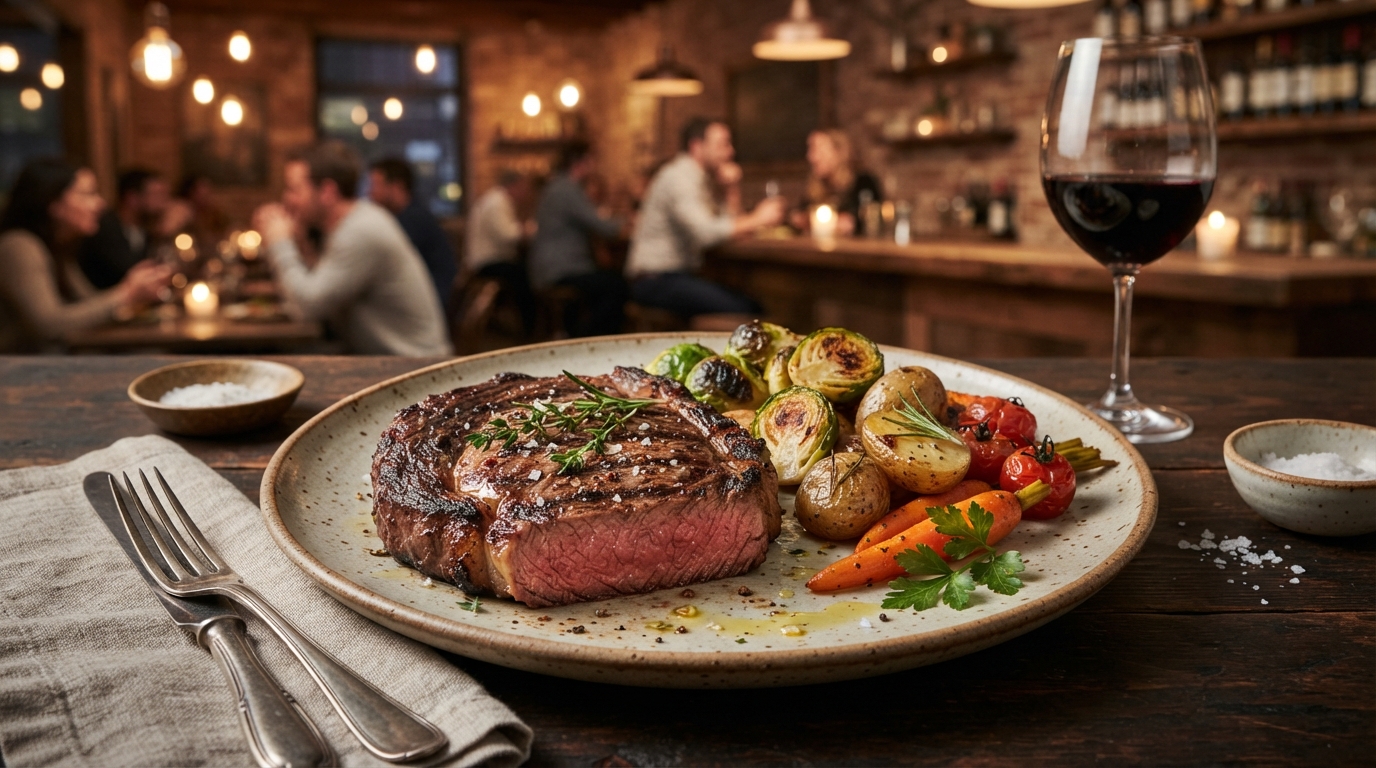
Choosing a steak restaurant involves more than looking for a menu that includes steak. A satisfying steak dinner depends on several factors, including the available cuts, cooking methods, ingredient quality, portion sizes, side dishes, service, atmosphere, and overall value.
Steak can be served in many different ways, from simply seasoned grilled cuts to dishes paired with sauces, vegetables, potatoes, or other sides. Because preferences vary, the right restaurant should provide enough choice for diners to select a meal that fits their appetite and expectations.
For families, couples, business diners, and groups, the overall restaurant experience matters just as much as the steak itself.
Key Takeaways
- A good steak restaurant should offer appropriate cut choices and preparation options.
- Cooking temperature and preparation methods influence the final steak experience.
- Side dishes and sauces can complement a steak without overwhelming it.
- Restaurant atmosphere and service contribute significantly to dinner satisfaction.
- Pricing should be evaluated alongside portion size, food quality, service, and the overall experience.
- Menu variety is useful when dining with guests who want something other than steak.
What Should You Look for in a Steak Restaurant?
A restaurant that serves steak should provide more than a single steak option. Diners should consider the complete menu and dining experience before deciding where to eat.
Important factors include:
- Steak selection
- Cooking methods
- Portion sizes
- Side dishes
- Sauces and toppings
- Menu variety
- Service
- Atmosphere
- Pricing
A well-rounded steak restaurant gives diners enough information to understand what they are ordering and enough choice to accommodate different preferences.
How Steak Selection Affects the Dining Experience
Different cuts have different characteristics. Understanding the basic differences can help diners choose meals according to their preferences.
Tenderness and Texture
Some steak cuts are prized primarily for tenderness, while others are valued for their beefy flavor and texture.
Diners may consider:
- Desired tenderness
- Amount of marbling
- Flavor intensity
- Preferred portion size
Portion Size
Portion size matters when evaluating the overall value of a steak dinner.
A larger portion may suit someone looking for a substantial meal, while a smaller portion may be preferable when the diner also wants appetizers, sides, or dessert.
Preparation Style
The way a steak is prepared can affect its texture, flavor, and appearance.
Common methods include:
- Grilling
- Broiling
- Pan-searing
- Oven finishing
The cooking method should complement the cut rather than overpower its natural characteristics.
Why Cooking Temperature Matters
Steak doneness is an important consideration for many diners. Different people prefer different levels of cooking, making clear preparation options useful when ordering.
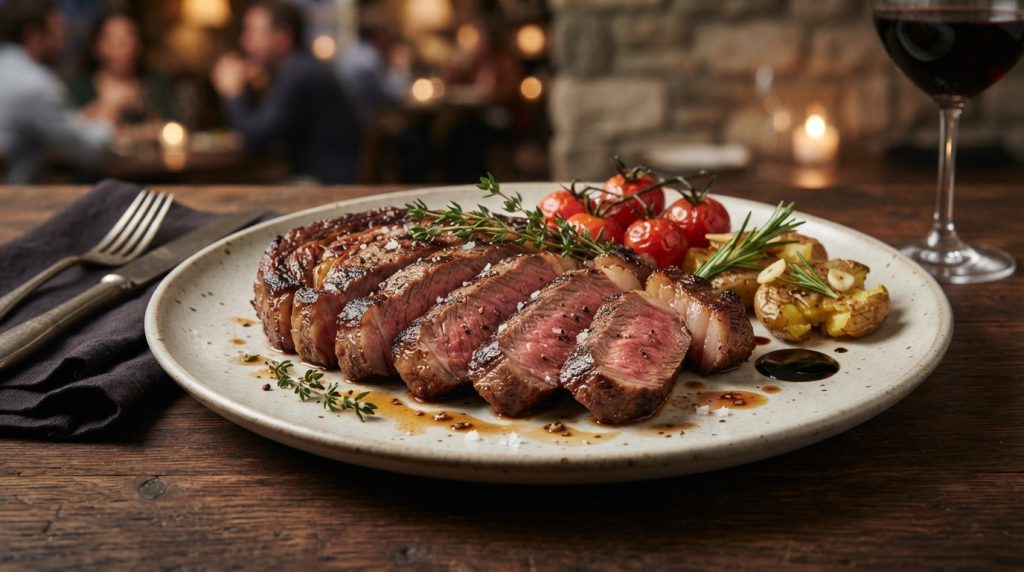
Common levels include:
- Rare
- Medium rare
- Medium
- Medium well
- Well done
The USDA recommends using a food thermometer to verify safe internal temperatures for meat rather than relying solely on appearance or cooking time. For whole cuts of beef, USDA guidance recommends a minimum internal temperature of 145°F followed by a three-minute rest. USDA safe minimum cooking temperatures provides additional information about safe beef preparation.
How Side Dishes Complete a Steak Dinner
A steak is often only one component of the meal. Side dishes can add different textures, flavors, and nutritional variety.
Popular steak dinner sides may include:
- Potatoes
- Vegetables
- Salads
- Rice
- Pasta
- Soups
- Bread
Choosing Complementary Sides
The best side depends on the steak and the diner’s preferences.
For example:
- A rich steak may pair well with vegetables or a fresh salad.
- A lighter cut may work with potatoes or another hearty side.
- A shared table may benefit from several side dishes.
A varied menu makes it easier for diners to create a complete meal rather than ordering steak alone.
Why Sauces and Seasonings Matter
Seasoning should enhance the natural flavor of steak rather than conceal it.
Restaurants may use:
- Herb-based seasonings
- Pepper-based preparations
- Mushroom sauces
- Cream sauces
- Pan sauces
- Gravy-style accompaniments
The right sauce can provide additional flavor and moisture while giving diners another way to personalize their meal.
However, a well-prepared steak should also be enjoyable with relatively simple seasoning.
How Menu Variety Benefits Steakhouse Diners
Not everyone at the table will necessarily want steak. This is especially important for family meals and group dinners.
A restaurant with a broader menu may offer:
- Chicken
- Seafood
- Pasta
- Salads
- Soups
- Vegetarian-friendly selections
- Desserts
Menu variety allows a group to dine together even when guests have different preferences.
This makes a steak-focused restaurant more versatile for families, business dinners, and social gatherings.
What Makes a Steak Dinner a Good Value?
Price is only one part of evaluating a steak dinner. Diners should consider what they receive for the total cost.
Important value factors include:
Portion Size
A satisfying portion can influence how diners perceive the price of the meal.
Food Quality
Ingredient quality and preparation should align with the restaurant’s pricing.
Included Accompaniments
Some meals may include sides, while others may price them separately. Understanding what comes with the entree makes it easier to evaluate the total meal cost.
Overall Experience
Service, atmosphere, convenience, and food quality all contribute to perceived value.
A more expensive steak dinner may provide a different experience than a lower-priced option, so diners should consider the complete meal rather than comparing entree prices alone.
How Restaurant Atmosphere Influences Steak Dinners
The atmosphere can change the character of a steak dinner.

A relaxed restaurant may work well for:
- Family dinners
- Casual celebrations
- Weekend meals
A quieter environment may be more suitable for:
- Business dinners
- Date nights
- Special occasions
Important atmosphere considerations include:
- Seating comfort
- Lighting
- Noise level
- Cleanliness
- Table spacing
- Overall ambiance
Why Service Matters at a Steak Restaurant
Service plays an important role in the overall dining experience.
A knowledgeable restaurant team can help diners understand:
- Available steak options
- Cooking preferences
- Side dishes
- Sauces
- Portion sizes
Good service also includes accurate orders, attentive communication, and timely assistance.
For a steak dinner, service can be particularly useful because diners may have specific preferences regarding preparation and doneness.
How to Read a Steak Restaurant Menu
A menu can provide valuable information before making a decision.
Diners should look for:
Steak Selection
Check whether the menu offers the type and portion size preferred.
Preparation Options
Look for available cooking methods and doneness choices.
Accompaniments
Review whether sides and sauces are included or ordered separately.
Alternative Entrees
If dining with a group, check whether the menu provides suitable alternatives for guests who do not want steak.
Where to Find Steak Dinner Options
For diners searching for a steak restaurant near me, reviewing the dinner menu before visiting can make it easier to understand available entree choices and accompanying dishes.

Those planning a steak dinner can also review the broader menu to see how steak selections fit alongside other entrees, sides, and appetizers.
A broader steakhouse restaurant menu may be especially useful for groups because not everyone at the table needs to order the same type of entree.
Frequently Asked Questions
What should I look for when choosing a steak restaurant?
Look at the steak selection, preparation methods, cooking options, portion sizes, side dishes, service, atmosphere, and pricing. A broader menu can also be useful when dining with people who have different food preferences.
What is the best steak doneness?
There is no single doneness that works for everyone. Rare, medium rare, medium, medium well, and well done provide different textures and levels of cooking. Personal preference should guide the choice, while safe food-handling practices remain important.
What sides go well with steak?
Common steak accompaniments include potatoes, vegetables, salads, rice, pasta, soups, and bread. The best combination depends on the steak preparation and the diner’s preferred balance of flavors and textures.
How can diners evaluate the value of a steak dinner?
Consider the complete meal rather than the steak price alone. Portion size, food quality, included sides, service, atmosphere, and overall experience can all influence whether a meal provides good value.
Is a steak restaurant suitable for family dining?
A steak-focused restaurant can work well for families when it offers a diverse menu with options beyond steak. Families should also consider seating, atmosphere, pricing, and menu choices for children and other guests.
Conclusion
Choosing a steak restaurant for dinner involves evaluating the complete dining experience. Steak selection, preparation, cooking preferences, side dishes, menu variety, service, atmosphere, and value all contribute to the final experience.
The right restaurant should provide enough flexibility for diners to choose meals according to their individual preferences while maintaining consistent food quality and service. For groups and families, a broad menu can make the experience even more practical.
By reviewing the menu in advance and considering both the steak and the surrounding dining experience, customers can make a more informed choice for an everyday dinner or special occasion.
About the Author