Slip and fall accidents happen often in New York, especially in places like supermarkets, apartment buildings, sidewalks, and commercial properties. These incidents can cause serious injuries and lasting financial problems. In these cases, New York slip and fall lawyers help by determining who is responsible, collecting evidence, and seeking compensation under the law.
These cases are not just about falling on someone else’s property. They focus on proving that negligence occurred and that a preventable hazard caused the injury.
Understanding Slip and Fall Cases in New York
Slip and fall claims fall under premises liability law, which holds property owners responsible for maintaining reasonably safe conditions. If a dangerous condition exists and causes injury, the injured person may have a legal claim.
To succeed in a claim, it is generally necessary to prove:
- A hazardous condition existed on the property
- The property owner knew or should have known about it
- The hazard was not repaired or properly warned about
- The condition directly caused the injury
A New York slip and fall lawyer usually focuses on proving ‘notice.’ This means showing whether the property owner had enough time and opportunity to fix the hazard before the accident happened.
Common Causes of Slip and Fall Accidents
Slip and fall accidents can happen anywhere, but they are most common in public and commercial spaces where foot traffic is high. Typical causes include:
Wet or Slippery Surfaces
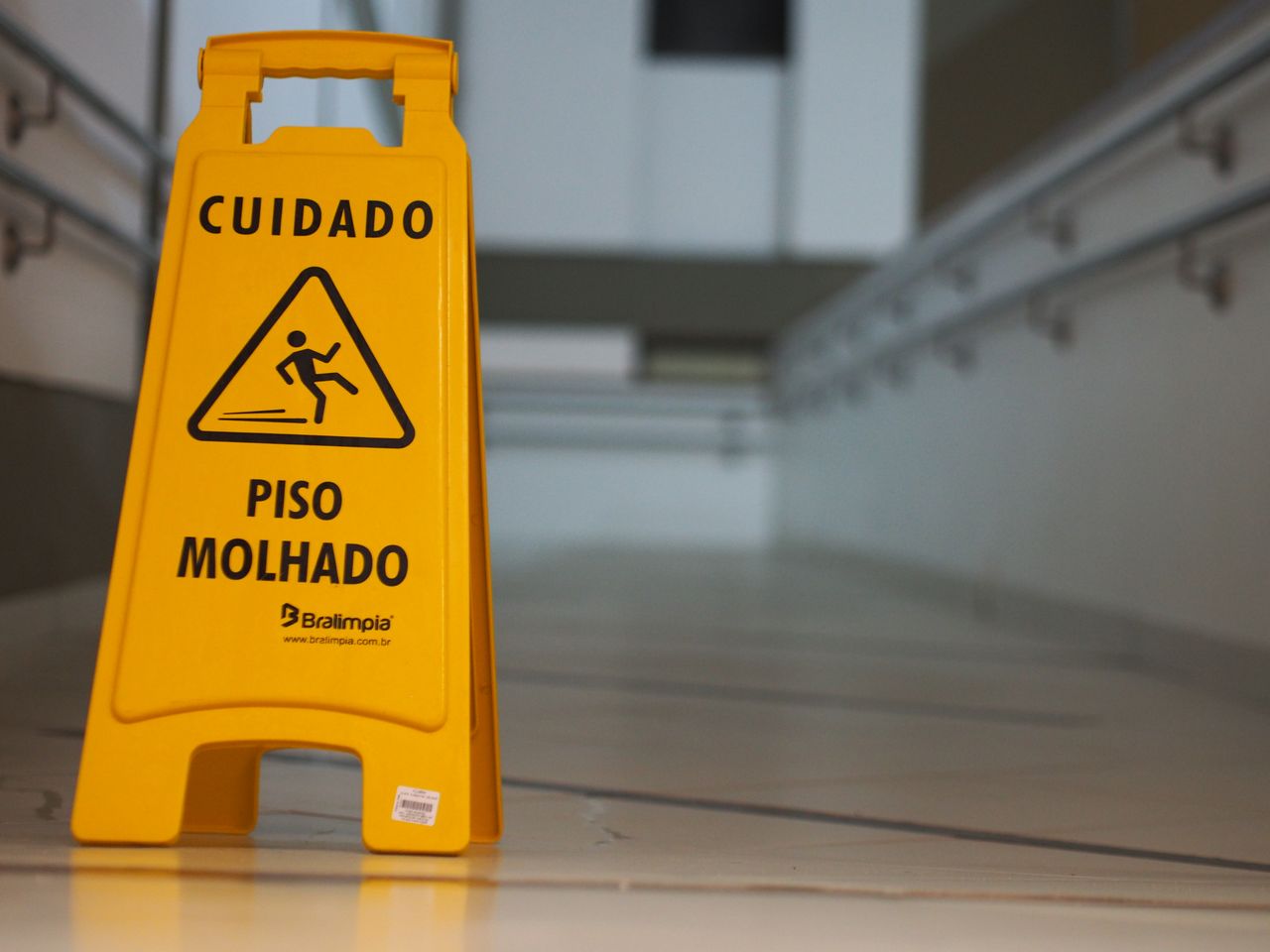
- Recently mopped floors without warning signs
- Spilled food or drinks in stores
- Leaking refrigeration units
- Rain or snow tracked indoors
Structural and Surface Defects
- Cracked sidewalks or uneven pavement
- Loose carpeting or torn rugs
- Broken tiles or flooring
- Sudden changes in floor level
Outdoor Hazards
- Ice accumulation on walkways
- Poor snow removal
- Potholes in parking lots
- Poor drainage causing standing water
Poor Maintenance Conditions
- Broken staircases or handrails
- Inadequate lighting in hallways or stairwells
- Cluttered walkways
- Unmarked construction zones
Many of these conditions can be prevented, which is why people often disagree about who is responsible in legal claims.
Legal Duty of Property Owners
Property owners and managers in New York have a legal obligation to maintain safe premises for visitors. This duty includes regularly inspecting property conditions and promptly addressing hazards.
A failure in this duty may include:
- Ignoring known hazards
- Delaying repairs
- Failing to provide warnings
- Not conducting reasonable inspections
When this duty is breached and injury occurs, liability may be established under premises liability law.
Proving Negligence in Slip and Fall Cases
A key part of these cases is proving negligence. It is not enough to show that a fall happened. The injured person must show that the property owner did not act reasonably.
Key elements include:
- Existence of a dangerous condition
- Proof the owner had actual or constructive notice
- Evidence that no corrective action was taken
- Direct connection between hazard and injury
Constructive notice is especially important. This means the hazard was there long enough that a responsible property owner should have found it during regular inspections.
Comparative Negligence in New York
New York uses a pure comparative negligence system. This means someone who is injured can still get compensation, even if they were partly at fault.
For example:
- Total damages: $100,000
- Injured party found 30% at fault
- Compensation: $70,000
Insurance companies often use this rule to lower payouts by saying the injured person was partly to blame for the accident.
Common Injuries in Slip and Fall Accidents
Slip and fall incidents can cause a wide range of injuries, some of which may require long-term medical care. Common injuries include:
- Fractures (hips, wrists, ankles)
- Traumatic brain injuries (TBI)
- Spinal cord injuries
- Back and neck injuries
- Soft tissue damage
- Torn ligaments and tendons
- Severe cuts and bruises
Older adults are particularly vulnerable to serious complications after a fall.
Evidence Used in Slip and Fall Claims
Strong evidence is critical for proving liability and damages. Important forms of evidence include:
- Surveillance footage from the accident location
- Photographs of the hazard and injuries
- Medical records and doctor reports
- Witness statements
- Incident or accident reports
- Maintenance and inspection records
- Weather reports (for snow or ice cases)
A New York slip and fall lawyer will often try to secure this evidence quickly before it can be lost or changed.
Compensation Available in Slip and Fall Cases
Victims may be entitled to compensation depending on the severity of injuries and impact on daily life. Recoverable damages can include:
Economic Damages
- Emergency medical treatment
- Hospital bills and surgeries
- Rehabilitation and therapy
- Lost wages
- Future loss of earning capacity
Non-Economic Damages
- Pain and suffering
- Emotional distress
- Loss of enjoyment of life
- Long-term disability effects
If the injuries are severe, the cost of long-term care can greatly increase the amount of compensation.
Challenges in Slip and Fall Claims
Slip-and-fall cases are often complex because property owners and insurers frequently dispute liability. Common defense strategies include:
- Claiming the hazard was “open and obvious”
- Arguing lack of time to fix the condition
- Blaming the injured person for inattention
- Disputing the seriousness of injuries
- Questioning whether the hazard existed at all
Because of these defenses, collecting evidence and careful legal analysis are especially important.
Steps to Take After a Slip and Fall Accident
Taking immediate action after an accident can significantly affect a claim:
- Seek medical attention immediately
- Report the incident to property management
- Take photos of the scene and hazard
- Collect witness information
- Preserve clothing or footwear worn during the fall
- Avoid discussing fault at the scene
- Document all medical treatment
Documenting everything early on can help make your claim stronger later.
Role of Legal Representation in Slip and Fall Cases
Legal representation is often important in handling negotiations and building a strong case. Key responsibilities include:
- Investigating the accident scene
- Collecting and preserving evidence
- Establishing property owner negligence
- Working with medical and safety experts
- Negotiating with insurance companies
- Filing lawsuits when necessary
In many cases, having a New York slip and fall lawyer is important to deal with insurance company tactics and make sure damages are evaluated fairly.
Conclusion
Slip and fall accidents in New York often raise complicated legal questions about negligence, property upkeep, and responsibility. Since these cases depend a lot on evidence and timing, it is important to understand how claims work to protect your legal rights. Good documentation, strong evidence, and knowing the basics of premises liability are key to getting fair compensation after a serious fall.
About the Author