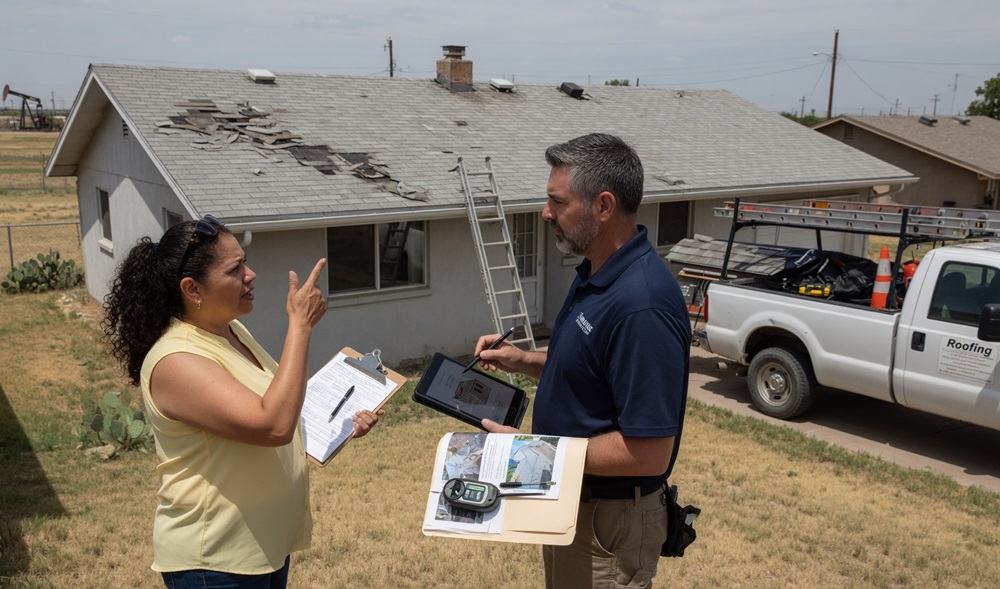
Choosing a roofing contractor starts before any repair or replacement work begins. The initial contact, consultation, and estimate process help property owners understand the condition of their roof, available solutions, and whether a contractor is prepared to handle the project. Property owners looking to contact roofing contractor West Texas should know what information to provide, what questions to ask, and how to evaluate communication before choosing a roofing professional.
A reliable roofing contractor should provide more than a phone number or quick estimate. The process should include clear communication, professional evaluation, detailed recommendations, and a better understanding of the work required.
Quick Answer
The right roofing contractor should be easy to contact, provide clear communication, offer professional inspections, and explain roofing options based on the property’s specific needs.
Before contacting a roofing company, property owners should gather information about their roof concerns, recent storms, previous repairs, and property type. A quality contractor should ask questions, inspect the roofing system, explain findings, and provide a detailed estimate.
The best contractor is not always the one who responds fastest or offers the lowest price. Property owners should look for experience, professionalism, local knowledge, and transparent communication.
Key Takeaways
- Choosing a roofing contractor begins with a reliable contact and consultation process.
- Property owners should prepare details about roof problems, storm events, and previous repairs before reaching out.
- A professional contractor should inspect the roof before recommending repairs or replacement.
- Clear communication helps property owners understand pricing, materials, timelines, and expectations.
- West Texas roofing contractors should understand hail, wind, heat, and storm-related challenges.
- Detailed estimates make it easier to compare contractors fairly.
- Good communication before a project often reflects the quality of service during construction.
Why Does Choosing the Right Roofing Contractor Matter in West Texas?
A roofing project is a major investment. Whether the property needs repairs, replacement, storm restoration, or maintenance, the contractor selected can directly affect the quality and lifespan of the roofing system.
West Texas properties face unique conditions, including:
- Severe hailstorms
- Strong winds
- Intense sunlight
- Extreme temperatures
- Heavy rainfall events
- Dust and debris exposure
The National Weather Service Lubbock forecast office tracks severe weather patterns throughout the region, including storms capable of producing damaging hail and wind.
These conditions make roofing experience important. A contractor familiar with West Texas should understand:
- Common storm damage patterns
- Regional roofing materials
- Weather-related repair needs
- Local property types
- Installation challenges
The first conversation with a roofing contractor provides an opportunity to determine whether the company understands these challenges and can provide appropriate guidance.
What Information Should Property Owners Prepare Before Contacting a Roofing Contractor?
Preparing information before reaching out can make the consultation process more effective.
Property owners should consider gathering:
Basic Property Information
Useful details include:
- Property location
- Building type
- Roof type
- Approximate roof age
- Previous roofing work
- Recent renovations
The contractor can use this information to better understand the project requirements.
Description of Roofing Problems
Property owners should describe:
- Leaks
- Missing shingles
- Storm damage
- Damaged flashing
- Loose materials
- Interior water stains
- Unusual roof conditions
Photos taken safely from the ground can also help provide initial information.
Storm Information
For storm-related concerns, property owners should note:
- Date of storm
- Type of weather event
- Visible damage
- Interior damage
- Temporary repairs completed
This information helps contractors understand whether the issue may involve hail, wind, or water intrusion.
What Happens When You Contact a Roofing Contractor?
The first contact is usually the beginning of an evaluation process rather than simply requesting a price.
A professional roofing consultation may involve:
Initial Discussion
The contractor may ask about:
- The reason for contacting them
- Visible problems
- Roof history
- Property type
- Timing needs
This helps determine what type of inspection may be necessary.
Roof Inspection Scheduling
After gathering basic information, the contractor may schedule an inspection.
The inspection may evaluate:
- Roofing materials
- Storm damage
- Leaks
- Flashing
- Roof edges
- Penetrations
- Drainage
- Previous repairs
A proper inspection helps prevent recommendations based only on assumptions.
Estimate Preparation
After inspection, the contractor should explain:
- What was found
- What repairs are recommended
- Whether replacement is necessary
- Which materials are suitable
- Expected project scope
A detailed estimate allows property owners to make informed decisions.
What Questions Should You Ask a Roofing Contractor Before Hiring?
The first conversation with a roofing contractor is an opportunity to evaluate experience and professionalism.
Important questions include:
How Long Have You Worked in Roofing?
Experience helps indicate whether the contractor understands:
- Local weather conditions
- Roofing materials
- Installation requirements
- Repair challenges
Do You Handle My Type of Roofing Project?
Property owners should ask whether the contractor works with:
- Residential roofing
- Commercial roofing
- Metal roofing
- TPO systems
- Metal buildings
- Barndominiums
Different roofing systems require different skills and repair methods.
Will You Inspect the Roof Before Providing Recommendations?
A professional contractor should evaluate the roof before suggesting major repairs or replacement.
Inspection helps identify:
- Actual damage
- Underlying problems
- Appropriate solutions
- Necessary materials
What Will Be Included in the Estimate?
Property owners should ask whether the estimate includes:
- Materials
- Labor
- Removal
- Cleanup
- Flashing
- Ventilation
- Additional repairs
- Warranty information
Clear details help prevent unexpected costs later.
How Important Is Communication When Choosing a Roofing Contractor?
Communication plays a major role throughout a roofing project.
A reliable contractor should:
- Respond to questions
- Explain recommendations
- Provide updates
- Discuss timelines
- Clarify costs
- Explain changes
Poor communication can create confusion even when the physical work is completed correctly.
Good communication helps property owners understand what is happening and why specific decisions are being made.
How Can Property Owners Evaluate Roofing Estimates?
A roofing estimate should be reviewed carefully rather than compared only by price.
Property owners should evaluate:
Scope of Work
Compare whether each estimate includes the same services.
Important details include:
- Materials
- Repairs
- Replacement areas
- Cleanup
- Labor
- Additional components
Materials and Warranty
Review:
- Roofing products
- Manufacturer information
- Warranty coverage
- Expected durability
Contractor Experience
Consider:
- Local experience
- Roofing knowledge
- Storm damage experience
- Previous project examples
A complete estimate from an experienced contractor may provide better long-term value than a lower estimate with limited details.
How Should Property Owners Contact a Roofing Contractor After Storm Damage?
Storm damage often creates urgency because roof problems can worsen quickly after severe weather. However, property owners should approach the process carefully and gather information before making decisions.
After a storm, property owners should:
- Inspect the property from a safe location.
- Photograph visible damage.
- Record the approximate storm date.
- Check for interior leaks.
- Document temporary repairs.
- Contact a roofing contractor for inspection.
- Keep repair-related documents.
The Texas Department of Insurance storm recovery guidance recommends documenting property damage, keeping receipts, and maintaining records during the recovery process.
When contacting a roofing contractor after a storm, property owners should explain:
- Type of storm damage noticed
- Date of the storm
- Visible roof problems
- Interior damage
- Previous repairs
- Insurance claim status, if applicable
This information helps the contractor understand the situation and prepare for the inspection.
What Should Property Owners Ask About Storm Damage Inspections?
A storm damage inspection should provide clear information about the roof’s condition.
Property owners should ask:
- What type of damage was found?
- Is the damage repairable?
- Does the roof need replacement?
- Are other exterior components affected?
- Can you provide photos?
- What repairs are recommended?
- What documentation is available?
A detailed inspection helps property owners understand whether they need:
- Minor repairs
- Partial repairs
- Complete replacement
- Additional evaluation
Storm damage can affect more than the visible roofing material. A complete inspection should consider the entire roofing system.
How Should Property Owners Handle Emergency Roofing Communication?
Some roofing situations require immediate attention, especially when water is actively entering the building.
Emergency situations may include:
- Large roof openings
- Severe storm damage
- Fallen trees or debris
- Major leaks
- Damaged roof sections
- Unsafe roof conditions
When contacting a contractor for urgent roofing concerns, property owners should clearly explain:
- The immediate problem
- Whether water is entering the building
- Whether temporary protection has been applied
- Any safety concerns
Temporary measures may help prevent additional damage until permanent repairs can be completed.
Property owners should avoid climbing onto storm-damaged roofs because loose materials, wet surfaces, and structural damage can create safety risks.
What Should Residential Roofing Consultations Include?
Residential roofing consultations should focus on protecting the home while addressing the specific needs of the property.
A residential consultation may include:
- Roof condition assessment
- Leak evaluation
- Storm damage review
- Material recommendations
- Repair or replacement options
- Project timeline discussion
- Maintenance recommendations
Homeowners should discuss:
- Roof age
- Previous repairs
- Interior concerns
- Future plans for the property
A complete consultation helps ensure the recommended solution fits the home rather than only addressing one visible issue.
What Should Commercial Roofing Consultations Include?
Commercial roofing projects often require additional planning because businesses may have larger roof systems, equipment, and operational requirements.
A commercial roofing consultation may review:
- Roof system type
- Drainage
- Rooftop equipment
- Maintenance history
- Leak concerns
- Repair options
- Replacement considerations
Commercial property owners should ask how the roofing work may affect:
- Business operations
- Building access
- Safety requirements
- Project scheduling
Clear communication is especially important for commercial projects because roofing work may need to be coordinated around business activities.
What Should Metal Building and Barndominium Roofing Consultations Include?
West Texas properties commonly include:
- Workshops
- Agricultural buildings
- Garages
- Shops
- Barndominiums
These structures often require specialized roofing considerations.
A consultation should evaluate:
- Metal panels
- Fasteners
- Seams
- Flashing
- Insulation
- Ventilation
- Condensation concerns
Metal building roofing problems are not always caused by damaged panels. Issues may involve fasteners, transitions, drainage, or installation details.
A contractor familiar with these structures can better identify the actual source of the problem.
What Are Warning Signs of a Roofing Contractor With Poor Communication?
Communication problems can create issues before, during, and after a roofing project.
Warning signs may include:
Unclear Estimates
A contractor should explain:
- What work is included
- Which materials are being used
- How costs are calculated
Avoiding Questions
A professional contractor should be willing to explain recommendations and address concerns.
Lack of Documentation
Property owners should be cautious if a contractor cannot provide:
- Written estimates
- Project details
- Warranty information
- Scope of work
Pressure to Make Immediate Decisions
Property owners should have time to review information and understand their options.
A trustworthy contractor focuses on providing information rather than creating unnecessary pressure.
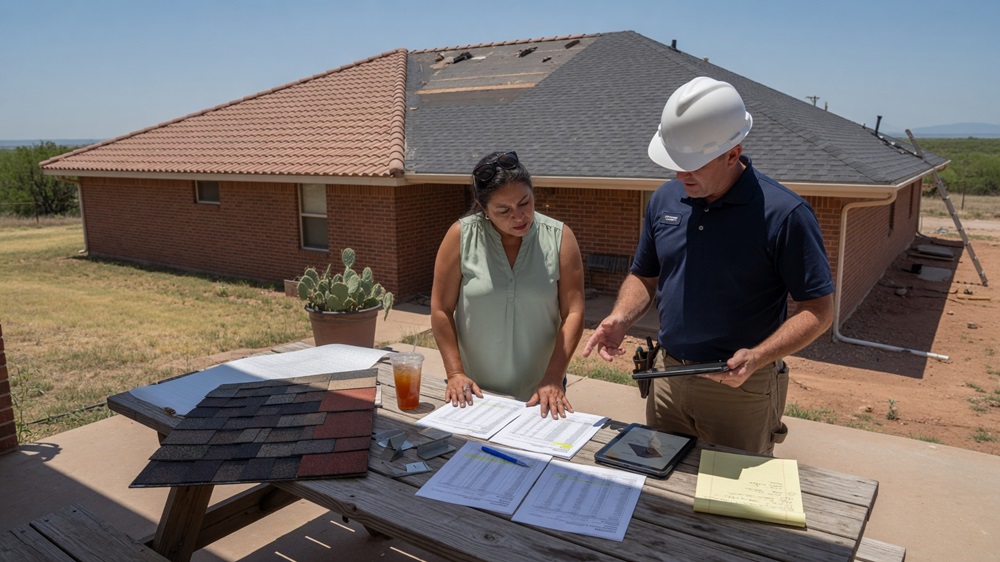
How Can Property Owners Prepare for a Roofing Estimate Appointment?
Preparing before a roofing consultation helps create a more productive discussion.
Property owners can prepare by:
- Making a list of concerns.
- Taking safe ground-level photos.
- Gathering previous repair records.
- Noting roof age if known.
- Recording storm dates.
- Identifying interior damage.
- Preparing questions.
- Reviewing project goals.
For example, a homeowner planning to sell a property may approach roofing decisions differently than someone planning to remain in the home for many years.
Understanding priorities helps the contractor recommend appropriate solutions.
Practical Checklist for Choosing a Roofing Contractor Contact Option
Use this checklist before scheduling a roofing consultation:
- Research the contractor’s roofing experience.
- Confirm they handle your roof type.
- Prepare details about the roofing problem.
- Document visible damage safely.
- Ask for an inspection.
- Request a written estimate.
- Review materials and warranties.
- Ask about repair versus replacement.
- Confirm project timelines.
- Discuss cleanup expectations.
- Verify insurance information.
- Keep all project documents.
- Choose clear communication over pressure.
FAQ
What information should I provide when contacting a roofing contractor?
Property owners should provide details about the property type, roofing concerns, visible damage, roof age if known, recent storms, previous repairs, and any interior issues. This information helps the contractor understand the situation before scheduling an inspection.
Should I contact a roofing contractor before my insurance company?
Property owners should document damage and understand their insurance requirements. A roofing contractor can inspect and document roof conditions, while the insurance company evaluates coverage based on the policy.
How do I know if a roofing contractor is reliable?
Reliable contractors provide clear communication, written estimates, professional inspections, project details, and answers to questions. Experience, documentation, and transparency are important factors when making a decision.
Can a roofing contractor provide an estimate without inspecting my roof?
A contractor may provide general information, but an accurate estimate usually requires a proper inspection. Roof damage, materials, and repair needs cannot always be determined from the ground.
What should I ask during a roofing consultation?
Property owners should ask about the cause of damage, recommended solutions, materials, project timeline, warranty information, and what is included in the estimate.
Final Thoughts
Choosing the right roofing contractor begins with a reliable consultation process. The first contact, inspection, and estimate provide important information about the condition of the roof and the solutions available.
West Texas property owners should look for contractors who provide clear communication, detailed estimates, professional inspections, and recommendations based on the actual condition of the roofing system.
Whether the project involves repairs, replacement, storm damage, residential roofing, commercial roofing, or metal structures, selecting the right professional starts with knowing how to evaluate the initial conversation. Property owners looking to connect with an experienced roofing professional can explore options to contact roofing contractor West Texas for inspection and project guidance.
About the Author