
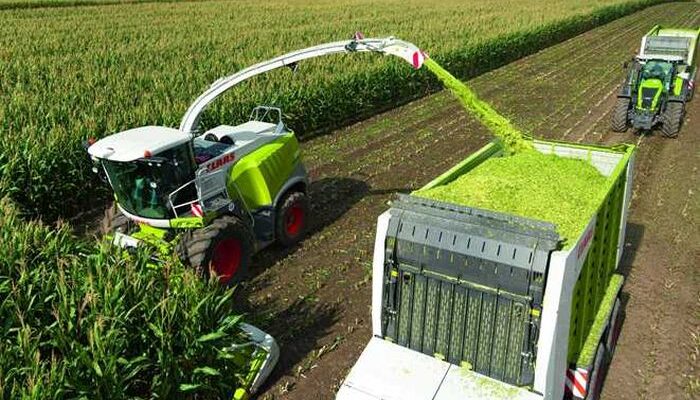
The future of agriculture is being shaped by rapid advancements in technology, making smart farming, agricultural mechanization, and digital agriculture essential components of modern food production. As the global population grows and environmental challenges intensify, the demand for efficient, sustainable, and high-yield farming systems continues to rise. Smart farming technologies—powered by artificial intelligence (AI), the Internet of Things (IoT), robotics, and data analytics—are transforming traditional agricultural practices into highly efficient, data-driven operations.
At the forefront of this transformation is Nongye Jixie Xuebao, also known as the Transactions of the Chinese Society of Agricultural Machinery. Established as a leading peer-reviewed academic journal, it plays a vital role in advancing agricultural engineering research worldwide. By publishing cutting-edge studies on agricultural machinery, intelligent equipment, agricultural information technology, and sustainable farming innovations, Nongye Jixie Xuebao contributes significantly to the evolution of modern agriculture.
This article explores the future of smart farming through the lens of Nongye Jixie Xuebao, highlighting its impact on agricultural innovation and global research.
The Role of Nongye Jixie Xuebao in Agricultural Innovation
A Trusted Platform for Scientific Research
Nongye Jixie Xuebao has established itself as a trusted platform for high-quality research in agricultural engineering. As a peer-reviewed journal, it ensures that all published studies meet rigorous academic standards, making it a reliable source for researchers and professionals.
Focus on Agricultural Engineering and Technology
The journal covers a wide range of topics, including:
- Agricultural machinery design and development
- Intelligent agricultural equipment
- Agricultural information technology
- Biological and environmental engineering
- Sustainable farming systems
By addressing these areas, Nongye Jixie Xuebao supports the development of innovative solutions for modern agriculture.
Evolution of Smart Farming Technologies
From Traditional Farming to Digital Agriculture
Agriculture has undergone a significant transformation over the decades. Traditional farming methods have gradually evolved into mechanized systems, and now, digital technologies are taking center stage. Nongye Jixie Xuebao has documented this evolution by publishing research that reflects the shift toward smart farming.
Precision Agriculture
Precision agriculture is a key component of smart farming. It involves:
- Using GPS and satellite data for field mapping
- Applying fertilizers and water precisely where needed
- Monitoring crop health in real-time
Research in Nongye Jixie Xuebao highlights how precision agriculture improves efficiency and reduces resource waste.
AI-Driven Agricultural Machinery
Automation and Intelligence in Farming
Artificial intelligence is revolutionizing agricultural machinery. Studies published in Nongye Jixie Xuebao showcase:
- AI-powered tractors and harvesters
- Machine learning algorithms for crop prediction
- Automated irrigation systems
These technologies enable farmers to make smarter decisions and increase productivity.
Benefits of AI in Agriculture
AI-driven systems offer several advantages:
- Reduced labor costs
- Increased operational efficiency
- Improved crop yields
The journal plays a crucial role in sharing research that drives these advancements.
Robotics and Autonomous Farming Systems
Rise of Agricultural Robotics
Robotics is becoming an integral part of modern farming. Nongye Jixie Xuebao features research on:
- Autonomous harvesting robots
- Robotic weed control systems
- Drone-based crop monitoring
These technologies reduce manual labor and enhance precision in farming operations.
Impact on Labor and Productivity
Robotics helps address labor shortages and improves productivity by performing repetitive tasks efficiently. This is especially important in large-scale farming operations.
IoT-Enabled Smart Farming Systems
Connected Farms and Real-Time Monitoring
The Internet of Things (IoT) connects devices and sensors across farms, enabling real-time monitoring and control. Research in Nongye Jixie Xuebao includes:
- Sensor-based soil moisture monitoring
- Climate control systems for greenhouses
- Livestock tracking technologies
Data-Driven Decision Making
IoT systems generate valuable data that helps farmers:
- Optimize resource use
- Predict weather patterns
- Improve crop management
This data-driven approach is essential for sustainable agriculture.
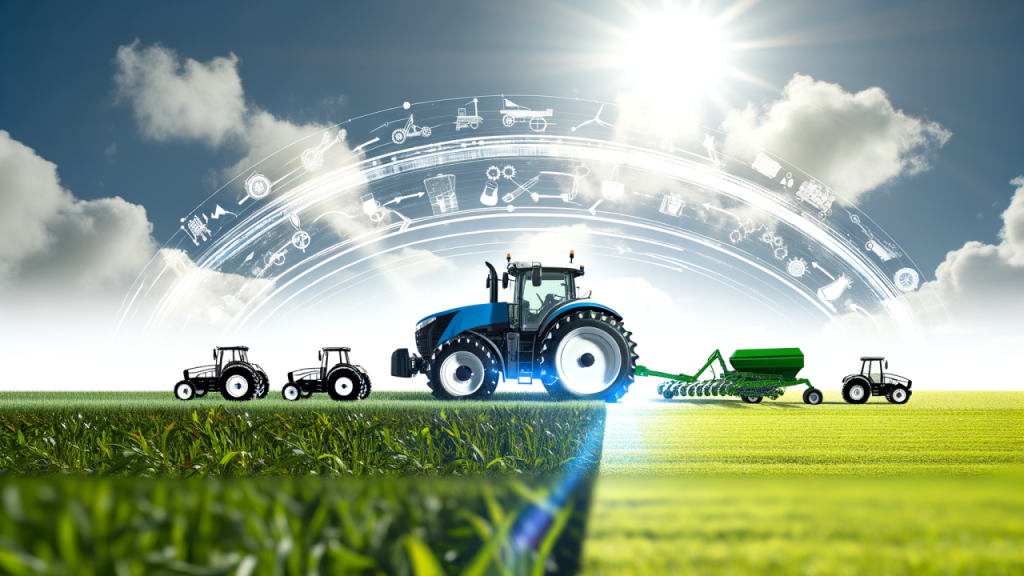
Sustainable Mechanization and Environmental Impact
Eco-Friendly Farming Technologies
Sustainability is a major focus of Nongye Jixie Xuebao. The journal promotes:
- Energy-efficient agricultural machinery
- Biomass energy utilization
- Reduced chemical usage
Balancing Productivity and Sustainability
Modern farming must balance productivity with environmental protection. Research published in the journal supports practices that:
- Reduce carbon emissions
- Conserve water resources
- Protect soil health
Global Influence of Nongye Jixie Xuebao
International Research Collaboration
Nongye Jixie Xuebao attracts contributions from researchers worldwide, fostering collaboration and knowledge exchange. This global network accelerates innovation in agricultural engineering.
Indexing and Academic Recognition
The journal is indexed in major databases such as:
- Scopus
- EI Compendex
- AGRIS
- Chemical Abstracts (CA)
This indexing enhances its visibility and credibility, making it a preferred platform for researchers.
Future Trends in Smart Farming
Integration of Advanced Technologies
The future of agriculture will see deeper integration of:
- AI and machine learning
- Blockchain for supply chain transparency
- Advanced robotics and automation
Smart Farming for Global Food Security
Smart farming technologies will play a crucial role in:
- Increasing food production
- Reducing waste
- Ensuring sustainable resource use
Nongye Jixie Xuebao will continue to document and promote these innovations.
Why Nongye Jixie Xuebao Matters for the Future
Driving Agricultural Innovation
The journal serves as a catalyst for innovation by publishing cutting-edge research in agricultural machinery and technology.
Supporting Sustainable Development
It promotes sustainable farming practices that are essential for long-term agricultural success.
Shaping the Next Generation of Farming
By focusing on smart farming technologies, Nongye Jixie Xuebao helps shape the future of global agriculture.
Conclusion
The future of agriculture lies in smart farming, where technology and innovation work together to create efficient, sustainable, and productive systems. Nongye Jixie Xuebao plays a critical role in this transformation by providing a platform for high-quality research in agricultural engineering and machinery.
Through its focus on AI-driven systems, robotics, IoT-enabled farming, and sustainable mechanization, the journal continues to influence the direction of modern agriculture. As global challenges in food production and environmental sustainability grow, the importance of Nongye Jixie Xuebao in advancing agricultural technology research will only increase.
Frequently Asked Questions (FAQs)
1. What is Nongye Jixie Xuebao?
Nongye Jixie Xuebao is a peer-reviewed academic journal, also known as the Transactions of the Chinese Society of Agricultural Machinery, focusing on agricultural engineering and technology research.
2. How does Nongye Jixie Xuebao contribute to smart farming?
It publishes research on AI, robotics, IoT, and precision agriculture, helping advance smart farming technologies.
3. What topics are covered in the journal?
The journal covers agricultural machinery, intelligent equipment, agricultural information technology, environmental engineering, and sustainable farming.
4. Is Nongye Jixie Xuebao internationally recognized?
Yes, it is indexed in major databases like Scopus and EI Compendex, making it globally recognized.
5. Why is smart farming important for the future?
Smart farming improves efficiency, reduces resource use, and helps meet global food demands sustainably.
6. Who should read Nongye Jixie Xuebao?
Researchers, engineers, students, and agricultural professionals interested in modern farming technologies can benefit from it.
About the Author